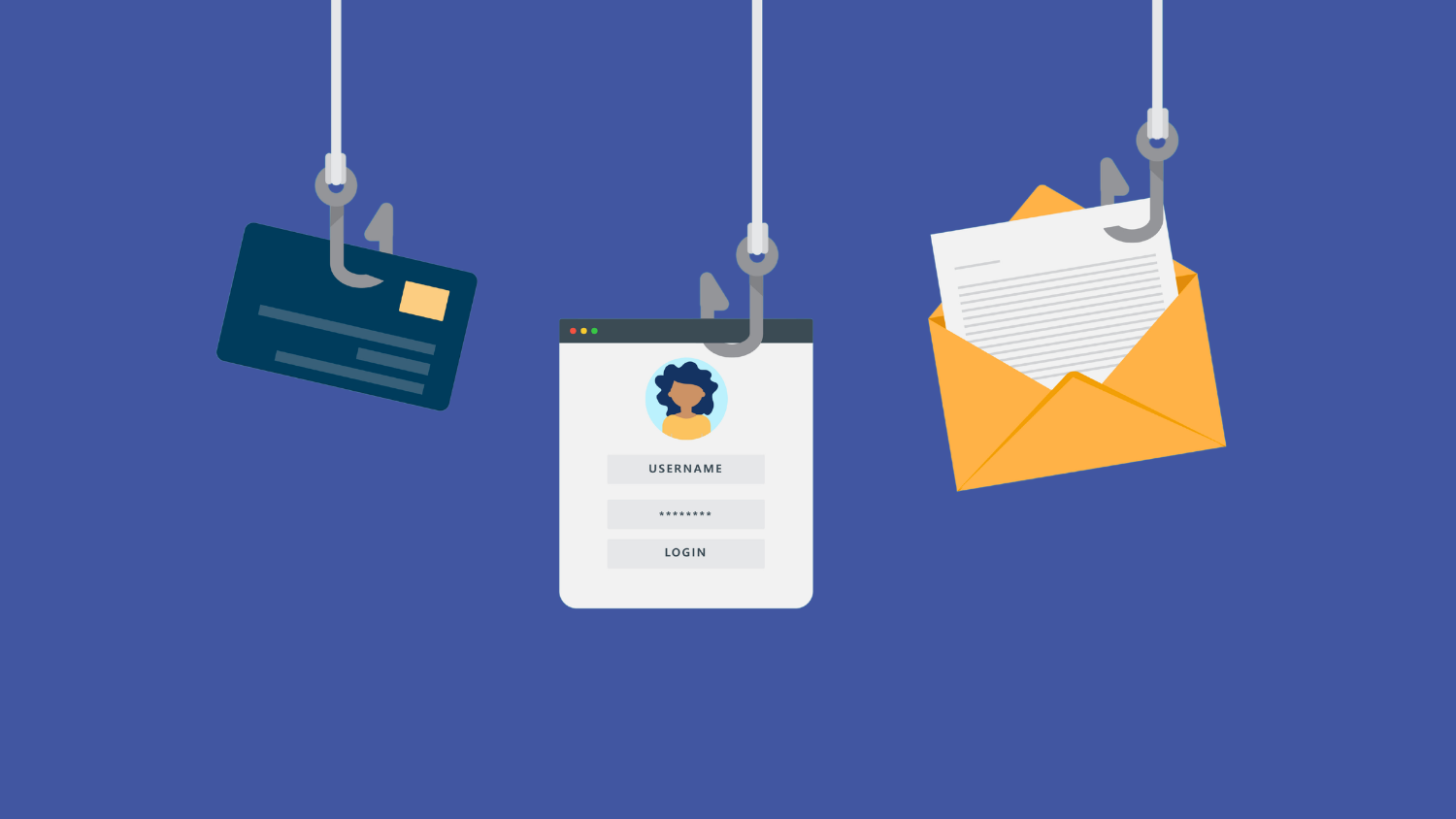
Be on the lookout for a recent scam aimed at faculty. Highly personalized emails are sent about the individual’s research to start a conversation and build trust that can later be exploited.
Components of the Scam
- Subject: The email often includes a subject like “A question about…” or “A question on…” and then mentions the recipient’s area of expertise.
- Email body: The scammer uses flattery to sound interested in the recipient’s work and then asks a question to open a dialogue.
- Ongoing conversation: The scammer keeps a casual conversation going for weeks or months and may insist on chatting through another platform, such as WhatsApp.
Example Email
The following is a real email that was sent with identifying information removed.
Subject: Your work on [research topic]
Dear Professor [Name],
I hope you are doing well. My name is Lillian, an education advisor originally from Brunei and now based in Connecticut. I work with families to help young people navigate questions of identity, heritage, and education in a global context.
I recently came across your [research-specific information]. Your ability to [research-specific information] represents a sophisticated approach to understanding how [research-specific information].
What made me pause was your observation about [research-specific information]. In my work with internationally mobile families, I often encounter questions about how economic systems shape educational and cultural possibilities across different national contexts.
I would be especially interested in your perspective on one point: [research-specific information]?
If you have a moment, I would truly value hearing your thoughts.
Warm regards, Lillian
What Do They Want?
This is often an investment scam involving crypto or foreign currency. They will introduce an investment opportunity and may guide the individual through the process to convert cash to other currencies and transfer them to a fake trading platform. The investments may appear to show gains over time to encourage further investment. Ultimately, the scammer steals the invested funds.
Protect Yourself and Your Money
- Be suspicious: Watch out for unexpected emails and requests for financial or other personal information. Never send money to someone you don’t know. And trust your gut — if an offer seems too good to be true, it probably is.
- Take your time: Research the sender to verify if they’re real. Carefully examine all URLs before clicking them or setting up an account.
- Ask for help: Report suspected scams to the Office of Information Technology’s Cybersecurity Operations team using one of these methods:
- Use Gmail’s built-in reporting feature:
- On a computer, open the suspicious email.
- Click the More option (three vertical dots) at the top-right corner.
- Select Report phishing.
- Send suspicious emails to [email protected].
For additional support, contact the NC State Help Desk via the NC State IT Service Portal or call 919.515.HELP (4357).
- Categories: