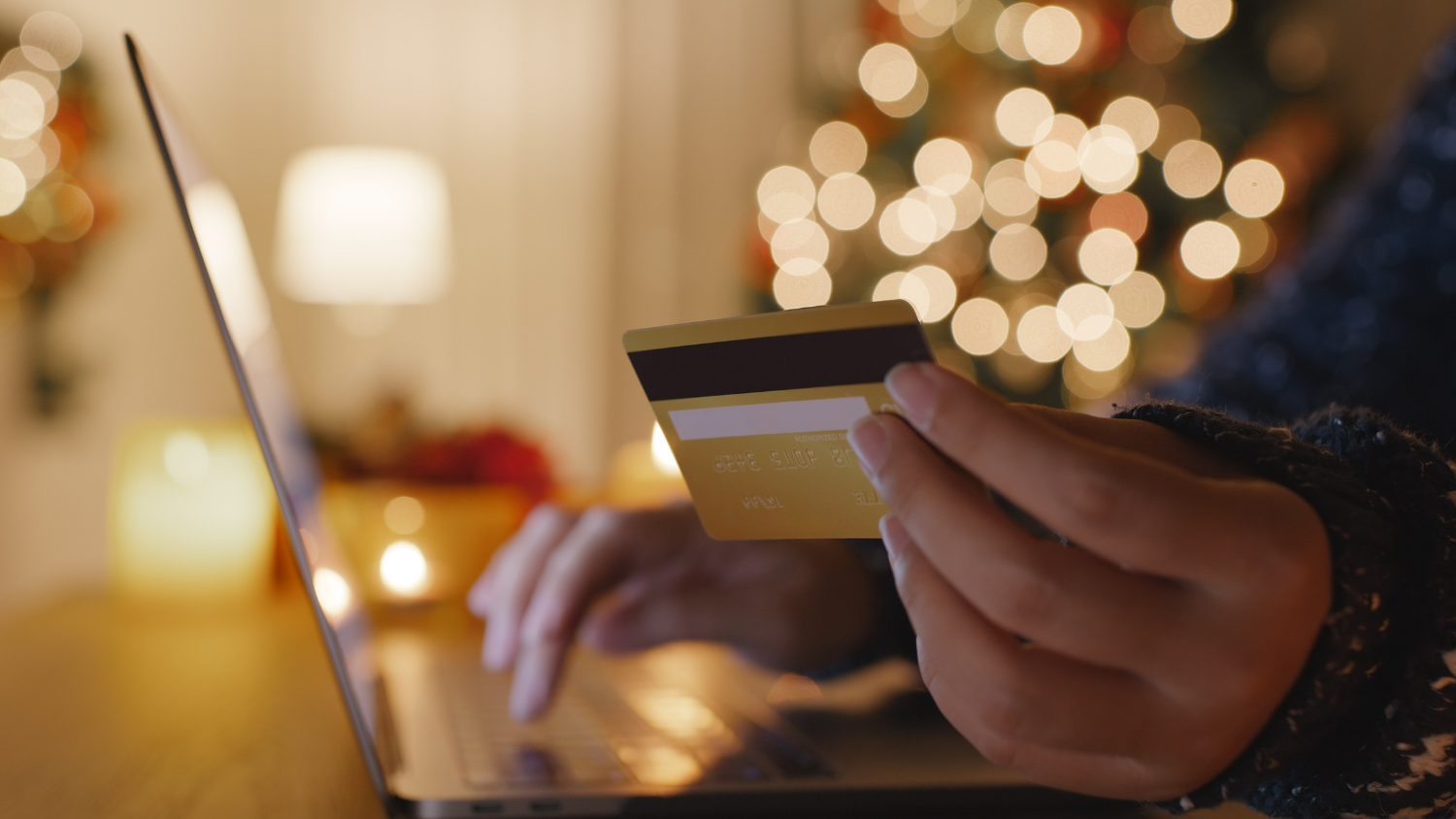
The rush of the holidays is fast approaching. From planning parties to buying the perfect gifts, this time of year can be fun, hectic and pricey.
Online shoppers are expected to spend $253.4 billion this holiday season. Meanwhile, cybercriminals are looking to take advantage of unsuspecting buyers. Before you hit “Add to cart,” take some time to ensure you are shopping safely.
Shop Trusted Websites
Stick with retailers you know and have purchased from before. Fake websites often trick shoppers by impersonating trusted brands, and deceptive ads can lead to malware and data loss.
Follow these three steps to protect your money and personal information:
- Be suspicious: Don’t fall for deals that are too good to be true. If a discount seems unrealistic, assume it is a scam. Be cautious of third-party sellers — even on trusted retail sites.
- Take your time: Double check the website’s address and any links before clicking or sharing financial details.
- Ask for help: Unsure if a website or deal is legitimate? Look for reviews online. You can also ask a friend or family member for a second opinion.
Use Secure Payment Methods
- Consider using a virtual credit card number or third-party payment service such as PayPal, Google Pay or Apple Pay to avoid entering your credit card information directly.
- You can also turn on credit card notifications to help you monitor charges. If you see anything unexpected, report it to your credit card company immediately.
Manage Accounts Wisely
There’s a good chance you have an account for every website you shop. Keep your accounts safe by following cyber hygiene best practices:
- Use a strong, unique password or passphrase for every account.
- Keep track of your passwords with a password manager.
- Set up multifactor authentication on your accounts in case your password is stolen.
If you have questions about potential scams, contact the NC State Help Desk via the NC State IT Service Portal or call 919.515.HELP (4357).
- Categories: